What people actually mean when they ask for lead generation
Of 690 briefs asking for lead generation, 319 attach it to a website and only 137 to ads. The phrase covers five different jobs with five different prices.
Muhammad Usman · Co-founder and CTO

Lead generation is one of the most requested things in this market and one of the least specific. Two suppliers can quote the same three words and propose completely different work, both honestly, because the phrase does not name a job. It names a wish.
We keep an archive of public project briefs, currently 30,096 of them. 690 ask for lead generation. What those briefs attach it to is the useful part, because it shows what people are actually picturing.
| What the brief also mentions | Briefs |
|---|---|
| A website or landing page | 319 |
| SEO or organic ranking | 195 |
| A CRM | 176 |
| Google or Meta ads | 137 |
| 34 |
Advertising is the smallest of the four large categories. The request most people are making is closer to *make the thing I already own produce enquiries* than *go and buy me traffic* — which is the opposite of how lead generation is usually sold.
The five jobs hiding in one phrase
1. Make the existing site convert
The most common and the cheapest. The traffic already arrives and leaves without doing anything. Work is on the path through the site: a way to make contact on every page that argues for you, a form that asks only what is needed on first contact, and proof positioned where the decision happens rather than three clicks away.
Worth doing first, always, because everything below multiplies whatever this rate currently is.
2. Be found by people already searching
Organic search. Slow, compounding, and the only channel that keeps working after the spending stops. It is also the one most often bought with the wrong expectation attached. One brief in our archive puts the expectation plainly: *"I want to rank on page one in one to three months, can you make that happen?"*
3. Buy attention from people who were not looking
Paid advertising. Fast, measurable, and it stops the day the budget does. It also has a floor: below a certain spend the platform cannot gather enough signal to optimise, and you pay full price for untargeted delivery. Small budgets split across several platforms clear that floor nowhere.
4. Reach out to people who have not asked
Outbound — cold email, calls, LinkedIn, bought lists. The cheapest to start and the easiest to do badly. It also carries obligations here that people forget: unsolicited marketing in the UAE is regulated, and a list bought from an unknown source is a compliance question as much as a marketing one.
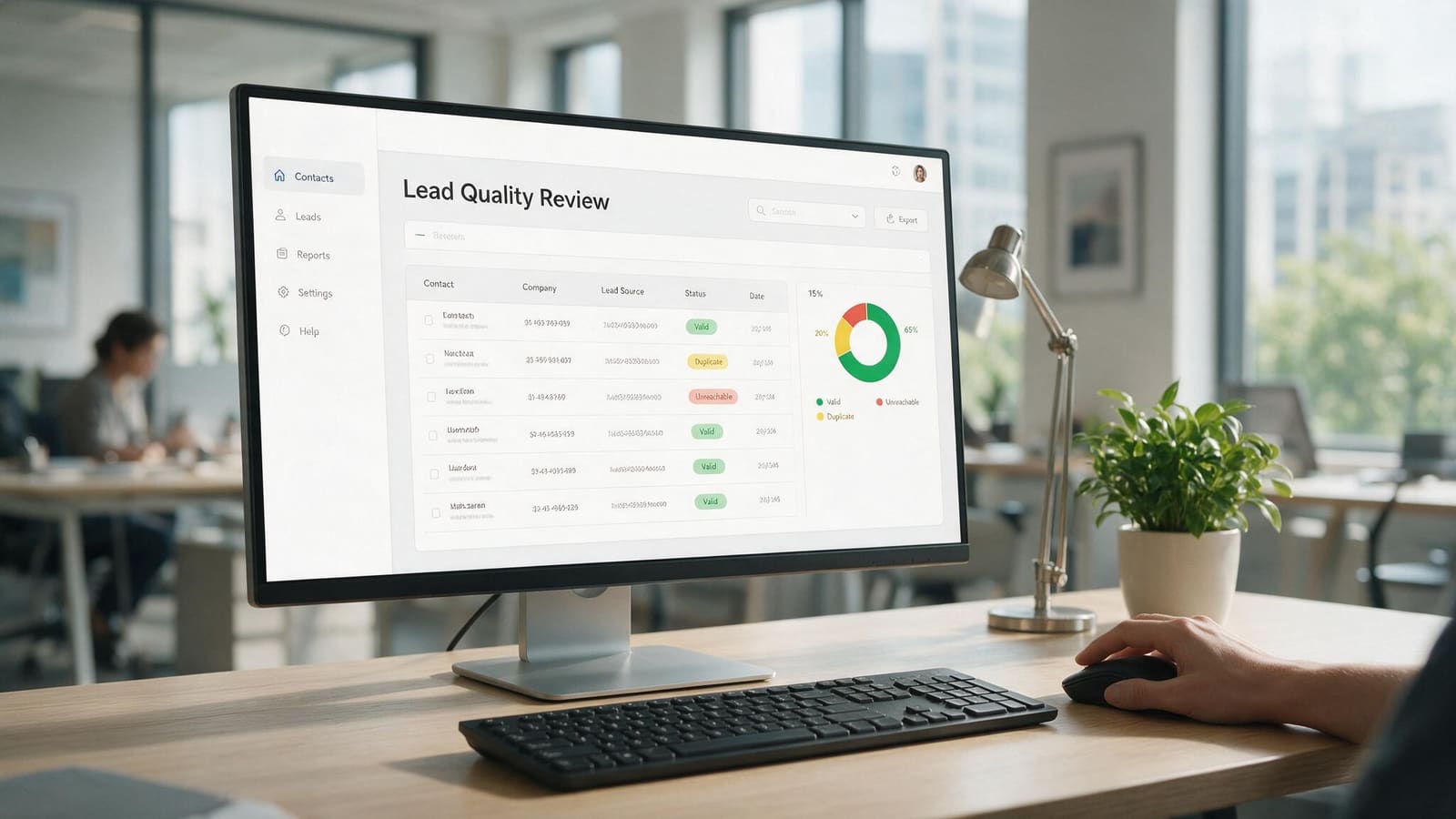
There are 875 leads in this list but half or more are dead or non working numbers. Quantity doesn't count as much as quality.
5. Handle the enquiries you already get, properly
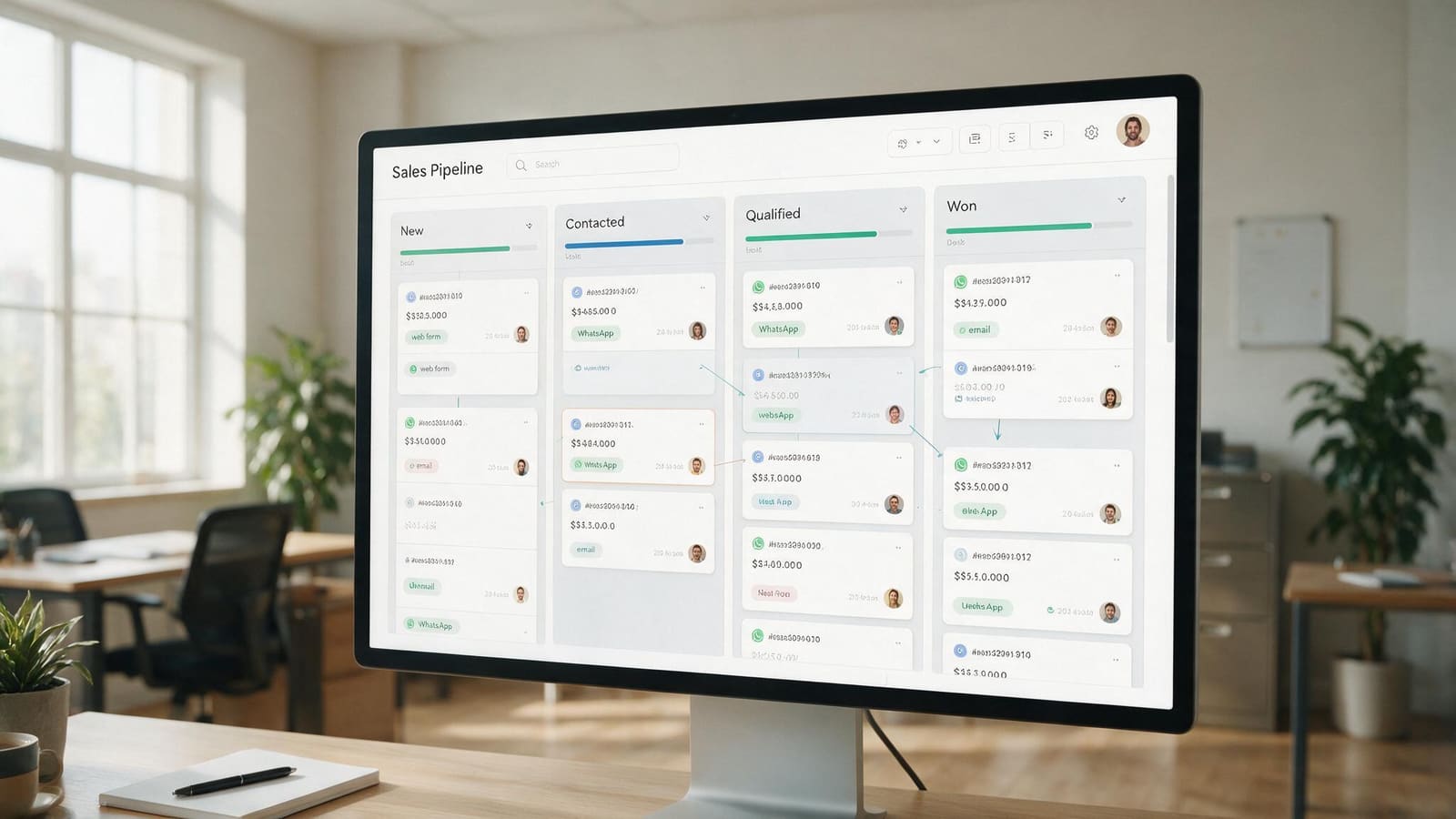
Not lead generation at all, strictly. It is the one that most often produces the result people wanted from the other four. Enquiries arriving into an inbox nobody owns, answered a day later, are indistinguishable from enquiries that never arrived.
Why the wrong job gets bought
Advertising is the easiest of the five to sell, because it produces visible activity within days and a dashboard to look at. Conversion work and response handling produce neither, while usually costing less and lasting longer.
So the sequence that actually works is close to the reverse of the sequence that gets sold: fix what happens to an enquiry, fix the path through the site, then decide whether the constraint is genuinely a shortage of visitors — and only then buy some.
What to write in the brief
- 1Which of the five jobs you want. If you are unsure, say so — it is a legitimate first piece of work and much cheaper than buying the wrong one.
- 2How many enquiries you get now, and what happens to each one after it arrives.
- 3What a customer is worth over the whole relationship, not the first sale. This decides which channels can work at all.
- 4Who answers a new enquiry, and within what time, in practice rather than in policy.
- 5What you have already tried and what happened. This is the most useful paragraph in any brief and the one most often left out.
Questions
Five distinct jobs: making an existing site convert, being found in organic search, buying paid attention, outbound outreach, and handling the enquiries you already receive. Quotes only become comparable once you know which one you are buying, because all five get sold under the same three words.
Usually not. Of 690 briefs in our archive asking for lead generation, 319 mention a website and only 137 mention ads. Most people are asking for something they already own to start producing enquiries, rather than for traffic to be bought.
It is the cheapest option and reliably the worst. One client in our archive found half of an 875-record list was dead or non-working numbers. In the UAE it is also a compliance question, since unsolicited marketing is regulated and a list from an unknown source carries unknown consent.
What happens to an enquiry after it arrives. It costs almost nothing, and businesses regularly discover the constraint was never a shortage of leads. Everything else you might buy multiplies your current conversion and response rates, including when those are close to zero.
Work backwards from what a customer is worth over the whole relationship rather than forwards from what feels affordable. That figure decides which channels are viable at all — paid advertising in particular has a floor below which the platform cannot optimise and you pay full price for untargeted delivery.